
CERN: a haven for birds
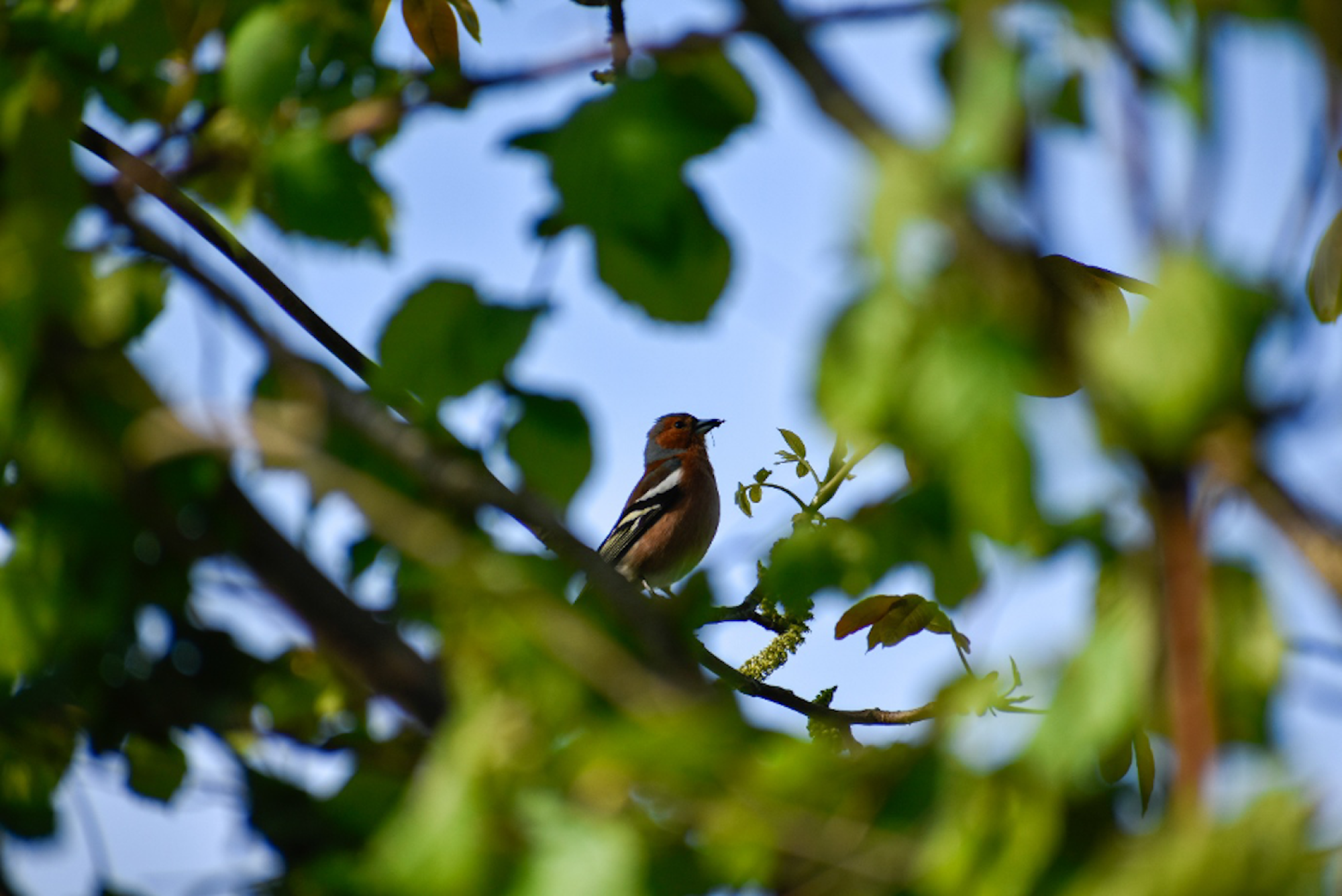
Discover some of the bird species on the CERN sites. Here a chaffinch (pinson des arbres). (Image: CERN)
Written by: HSE Department
—
CERN is not just a hub for groundbreaking research, it’s also a thriving sanctuary for biodiversity. Spanning 625 hectares, with 415 hectares of non-built environments, CERN’s sites host a remarkable variety of habitats, from forests and meadows to wetlands. These spaces provide a home to over 70 bird species, including the swift, woodpigeon, golden oriole, kestrel and moorhen. The diversity of avian life here reflects the Organization’s dedication to preserving and enhancing local ecosystems, as highlighted in recent biodiversity surveys and the popular virtual Biodiversity Walk, which invites everyone to explore the ecological richness of our sites.
Bird populations worldwide are in decline, threatened by pesticides, habitat loss, urbanisation and climate change. Birds play a vital role in maintaining ecological balance. They help control pests like mosquitoes and crop-damaging rodents, and their presence is a barometer of environmental health. By supporting birdlife at CERN, we contribute to the well-being of the entire ecosystem, and of our own community.
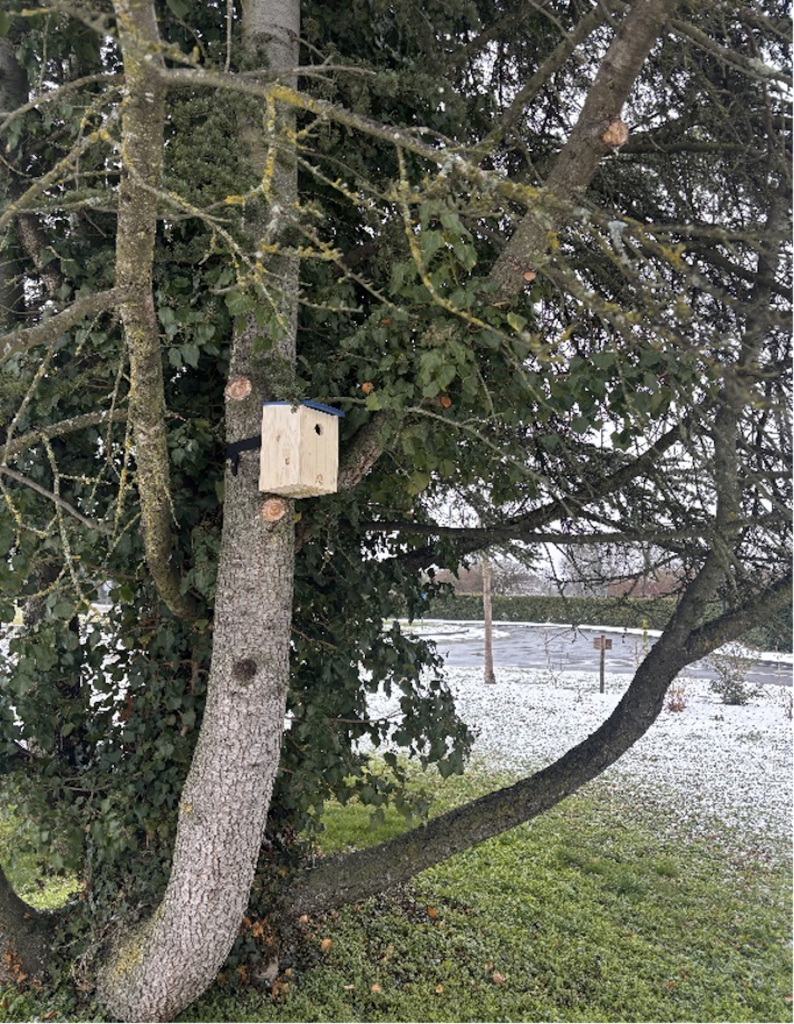
To preserve and foster birdlife at CERN, the HSE Department has launched a project to install 33 nest boxes across our sites. These boxes are strategically placed in built areas, where bird populations have declined by up to 30% in recent decades. The initiative includes:
- 15 nest boxes for semi-cavity nesting birds such as the robin, grey wagtail and black redstart,
- 4 nest boxes for birds of prey, including falcons and owls,
- 13 nest boxes for cavity nesting birds like tits, nuthatches and sparrows,
- 1 nest box specifically designed for swifts.
The initiative aims to provide safe, permanent habitats, boosting both the diversity of species and the number of birds.
When on site, look up: you might spot one of the new nesting boxes. While observing, remember to keep a respectful distance of at least 3 metres to avoid disturbing potential residents. Intentional disturbance of individuals or destruction of nests is prohibited by law in both France and Switzerland, so let’s all do our part to protect these vital members of our ecosystem!
You can also get directly involved by sharing your own sightings of birds or other wildlife, via the CERNature web app or by emailing biodiversity-infocern-ch@cern.ch . Every report helps us build a more comprehensive picture of CERN’s biodiversity and guides future conservation efforts.
By fostering habitats for birds and other species, we not only preserve nature but also enhance the quality of life for everyone at CERN. This is an invitation to observe, get involved and enjoy the experience!
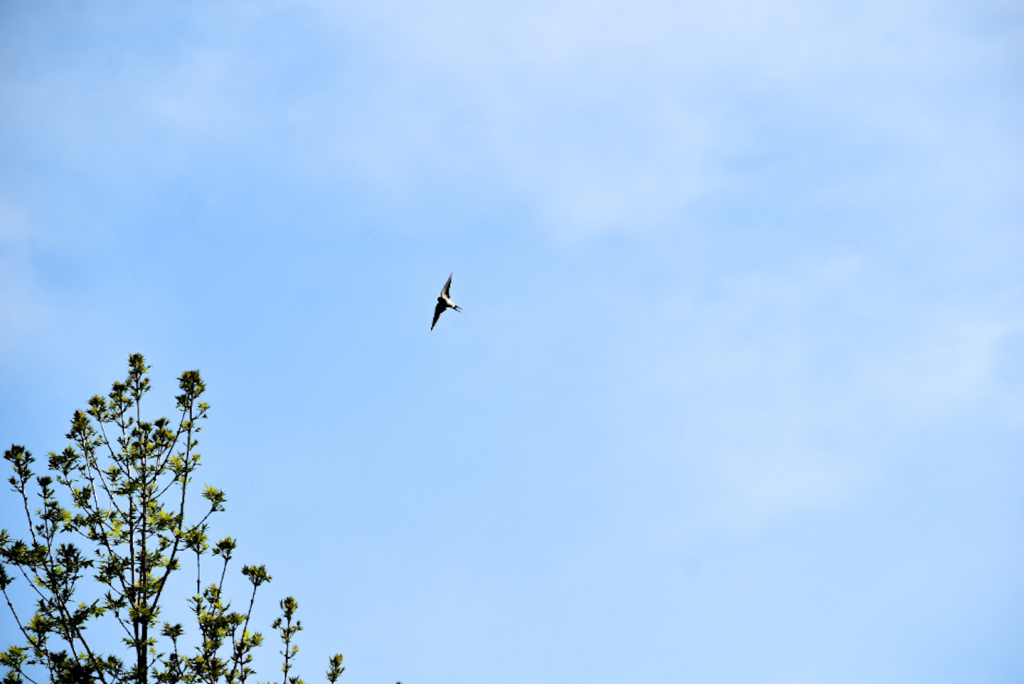
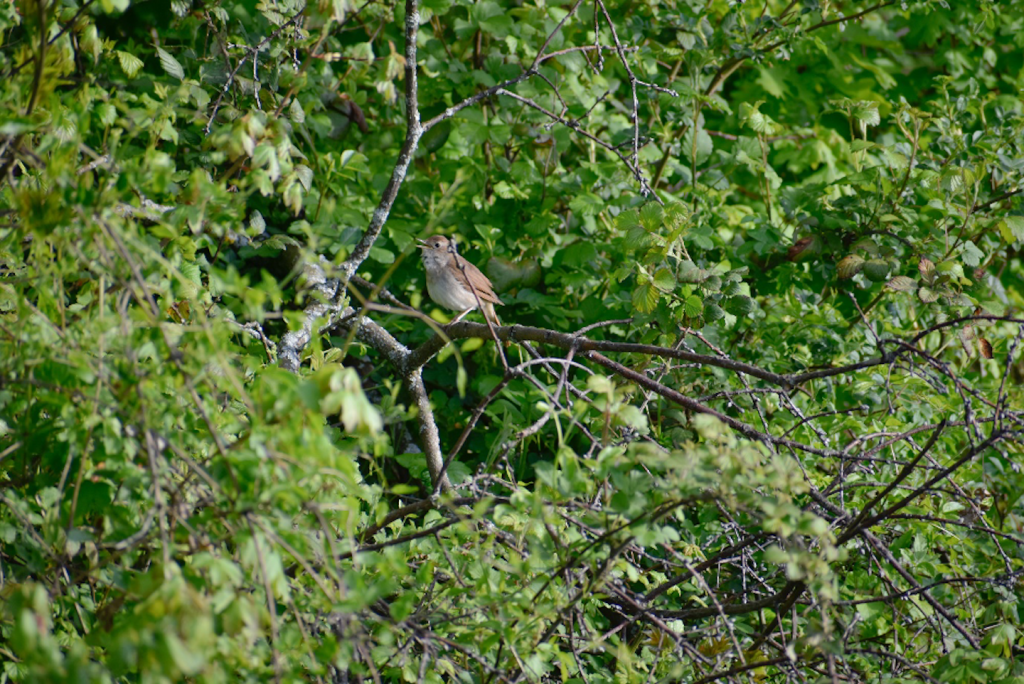
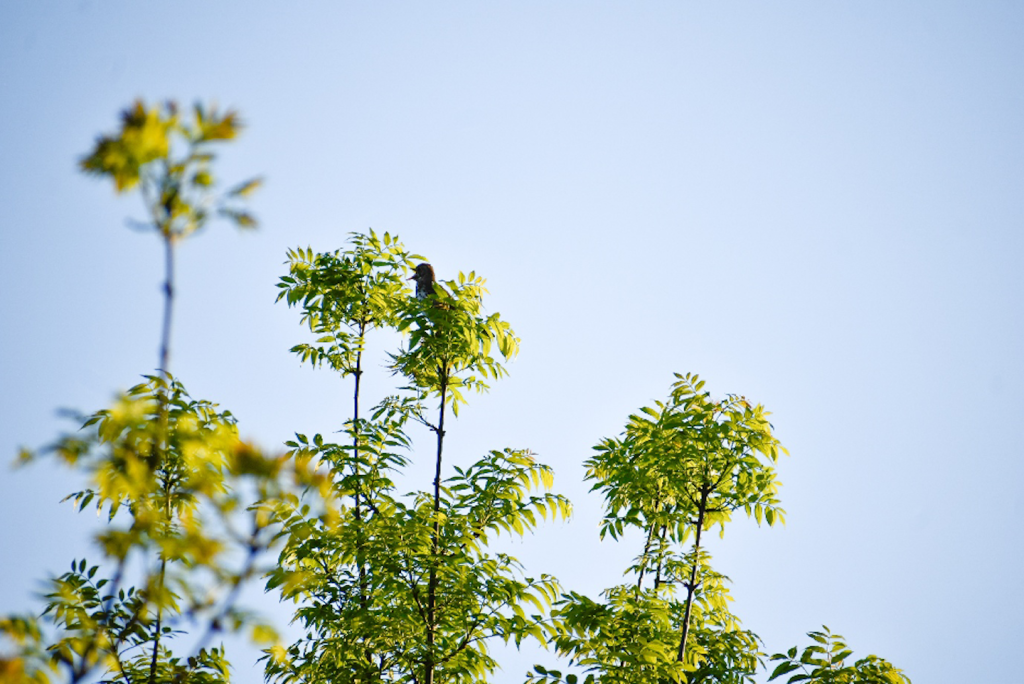
A song thrush (grive musicienne). (Image: CERN)
See this story on home.cern