HSE-OHS-DR : Safety Design & Research
Future Beam Facilities
& Air Quality
Occupational health & safety services and expert advice for next-generation
scientific infrastructure.
Team Leader: Andre Henriques
OUR MISSION
Advancing Safety for Tomorrow’s Discoveries
The Future Beam Facilities and Air Quality (FBA) team, part of HSE-OHS Safety Design & Research, provides occupational health & safety services and expert advice to the CERN community in the domains of developing safety concepts for future beam facilities and Indoor Air Quality (IAQ).
We deliver safety concepts, risk assessments, and advanced simulation-based studies for CERN’s next-generation facilities – the Future Circular Collider (FCC) and the Einstein Telescope (ET) – while ensuring healthy indoor environments across CERN sites through our Indoor Air Quality (IAQ) programme. We also lead the CAiMIRA project, a collaboration with the World Health Organization (WHO) to assess the risk of airborne disease transmission in different indoor environments.
Our vision is to achieve excellence in supporting CERN and addressing its unique challenges. We are committed to enhancing safety standards and fostering a culture of continuous improvement in safety. As a team, we value:
Teamwork
Supportive, tackling challenges together, functioning as a think hub
Critical thinking
Constructive questioning; science evolves, so should we
Excellence
Expert support, justified technical choices, up-to-date with the state of knowledge
Innovation
Seeking to optimise, using state-of-the-art tools and methods
Driven by innovation and excellence, we ensure a robust safety framework for the people and infrastructure enabling tomorrow’s scientific discoveries.
Our Domains
FUTURE CIRCULAR COLLIDER
Safety Concept for the FCC
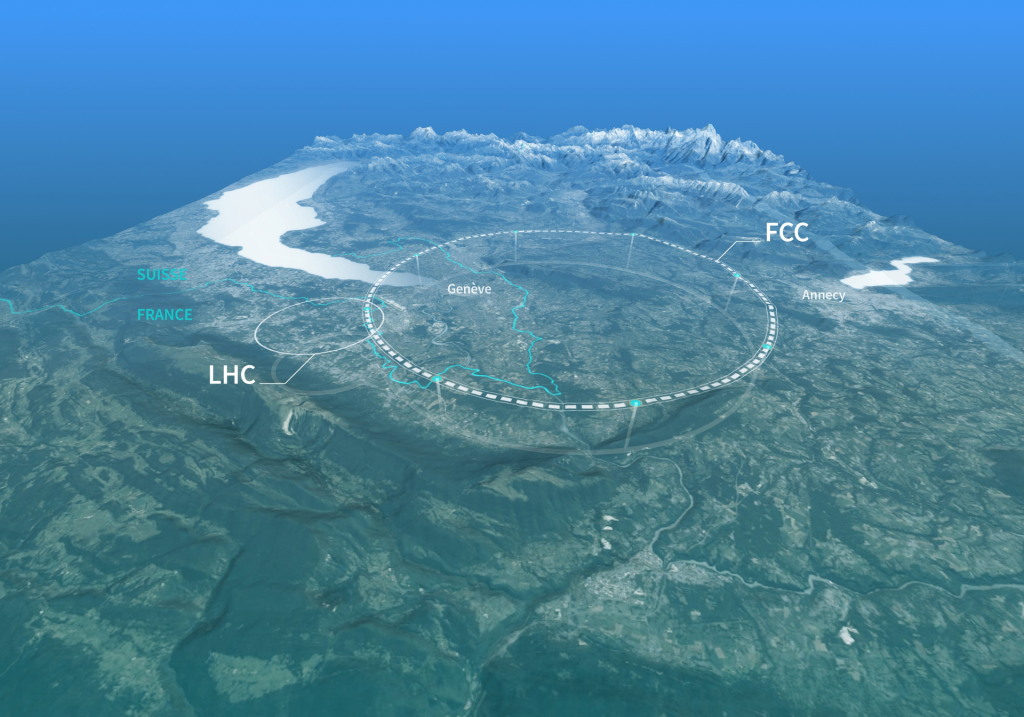
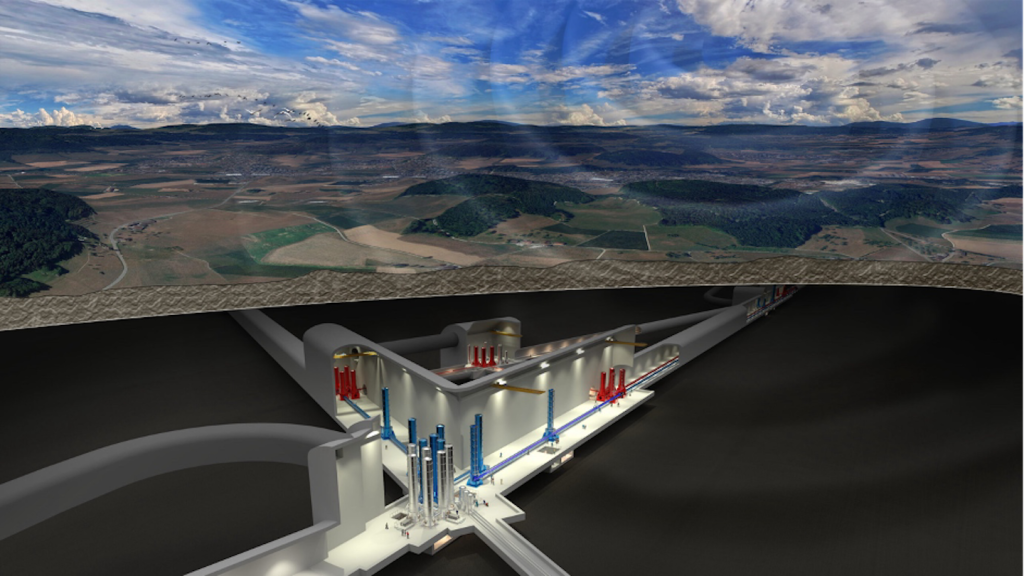
The FCC is CERN’s highest-priority future project – a 91 km circular collider that will succeed the LHC. The FBA team leads the Safety WP and develops the overarching safety concept for the FCC, covering underground and surface infrastructures.
- Definition of safety requirements for underground facilities and surface sites
- Advanced CFD simulations of helium releases (Oxygen Deficiency Hazard) and fire scenarios
- Safety-related studies on human behavior, human–robot interaction, and ergonomics in collaboration with universities
- Evacuation modelling using agent-based and discrete-event simulation
- Safety input to the FCC integration process, including collaboration with engineering groups
- Coordination with the FCC Project Office and HSE Management Board on safety deliverables
EINSTEIN TELESCOPE
Safety Concepts for the ET
The Einstein Telescope is a next-generation gravitational wave observatory. CERN contributes to the project through a collaboration agreement with the ET Organisation (ETO), providing specialist expertise in underground facility safety.
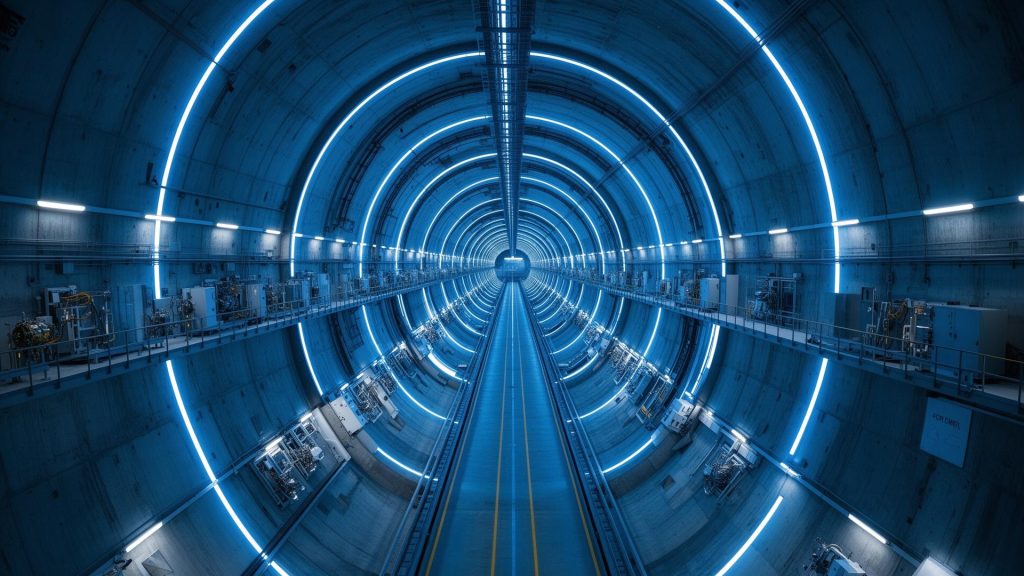
- Development of a holistic safety concept for the ET underground infrastructure
- Hazard identification (HAZID) and risk assessment across all underground facilities
- Fire safety analyses, including fire risk assessment and material performance requirements
- Mechanical safety studies, including vacuum implosion analysis using CFD
- Expert advisory support to ETO on safety requirements and design guidance
- Supporting the ET Pilot Sector in matters of safety
ENVIRONMENTAL MONITORING
Indoor Air Quality (IAQ)
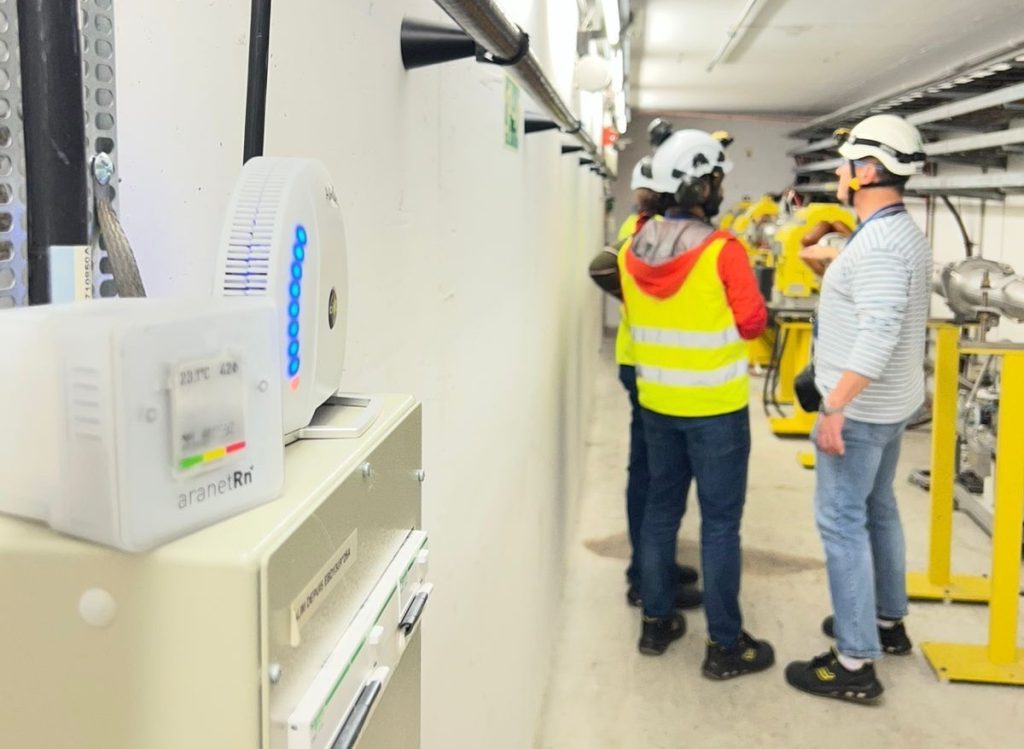
The FBA team monitors and assesses indoor air quality across CERN facilities to ensure healthy and safe environments for our personnel. Our work spans through design studies, measurement campaigns, data analysis, and the development of modern digital tools.
- Provide technical and safety requirements for the design and retrofit of ventilation and filtration systems.
- Conduct on-site workplace air quality assessments, measuring different indoor pollutants, analysing the results and proposing solutions.
- Investigate incidents related to air quality, perform root cause analyses, and recommend corrective actions.
- Lead complex Indoor Air Quality (IAQ) studies for high-risk and/or high-complexity projects.
- Perform ventilation / filtration rate calculations and airflow modelling.
- Develop IAQ guidelines, procedures, best practices and other engineering solutions for the Organisation.
- Act as Safety correspondent and become the single point of contact in matters of safety, for some CERN-specific projects.
- Design and development of an IoT data pipeline for real-time sensor data collection and visualisation
- IAQ database and web application for assessment management, data exploration, and reporting
CERN – WHO COLLABORATION
CAiMIRA – CERN Airborne Model for Indoor Risk Assessment
CAiMIRA is an open-source tool, originally developed at CERN and now collaborating with the World Health Organization (WHO), for assessing the risk of airborne transmission of respiratory diseases in indoor settings.
- KT supported project
- Models the risk of secondary transmission of a respiratory pathogen in an enclosed space.
- Studies the effect of pharmaceutical (vaccination) and non-pharmaceutical interventions (ventilation, air filtration, masks, social distancing)
- Multi-pathogen transmission risk modelling (including COVID-19, Influenza, RSV)
- Scenario flexibillity: Allows independent features for all occupants, and deterministic or probabilistic exposure
- AI-powered systematic review screening tools
- Open to the scientific community – open-source policy under development
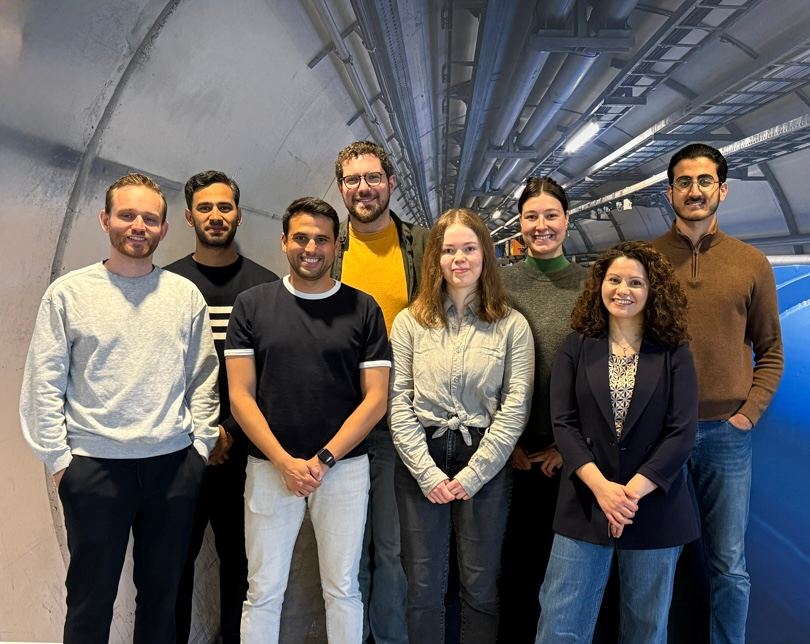
Meet the Team
Andre Henriques
Mechanical Engineer and Researcher
Team Leader
Ada Malagnino
Safety Engineer
FCC Safety WP

Andrea Polato
Mechanical Engineer
Indoor Air Quality
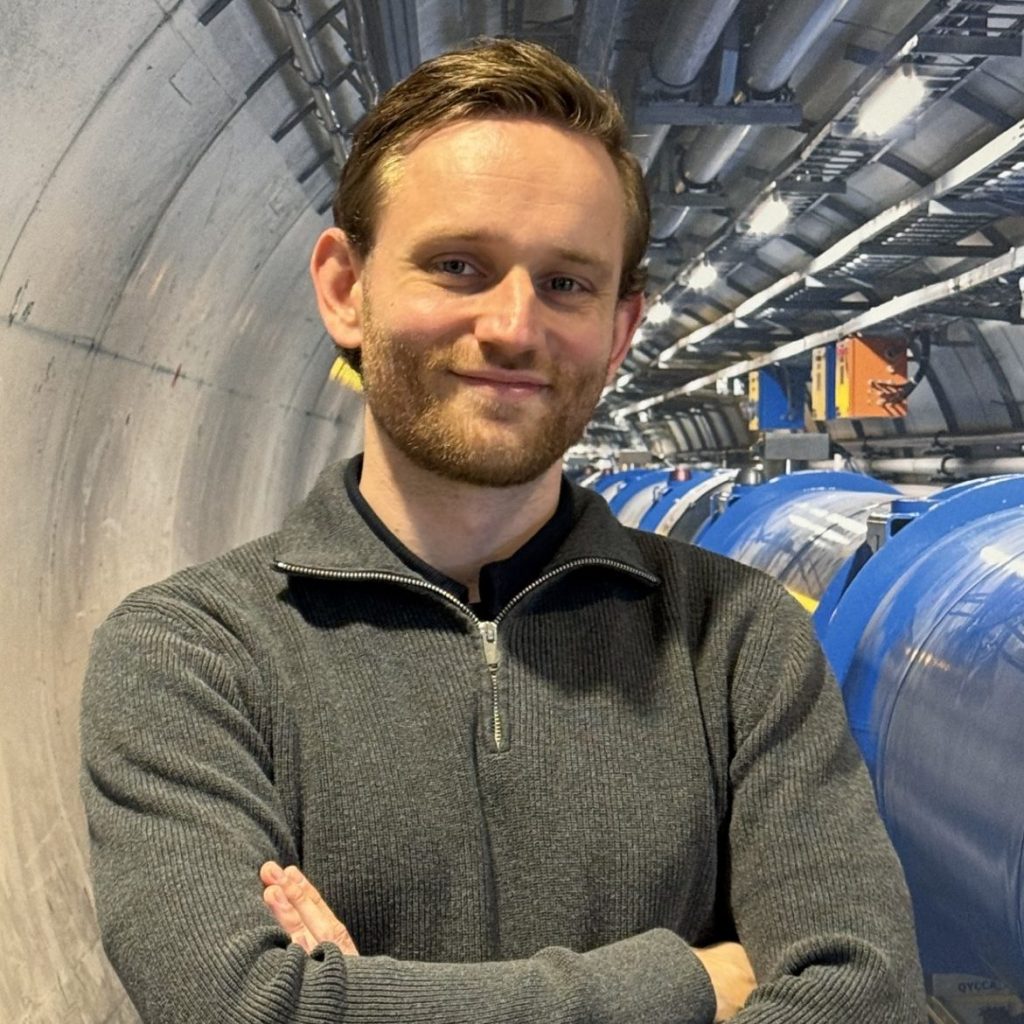
Jannes Hopman
Numerical Modelling Physicist
FCC Safety WP
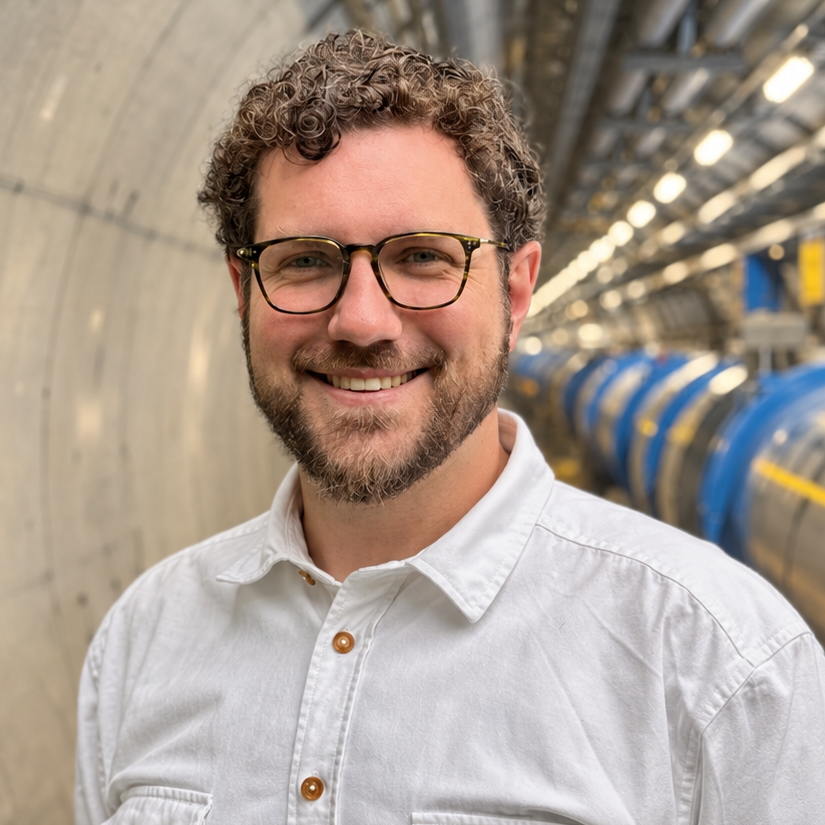
Leo Menzemer
Fire Safety Engineer
Einstein Telescope Safety WP
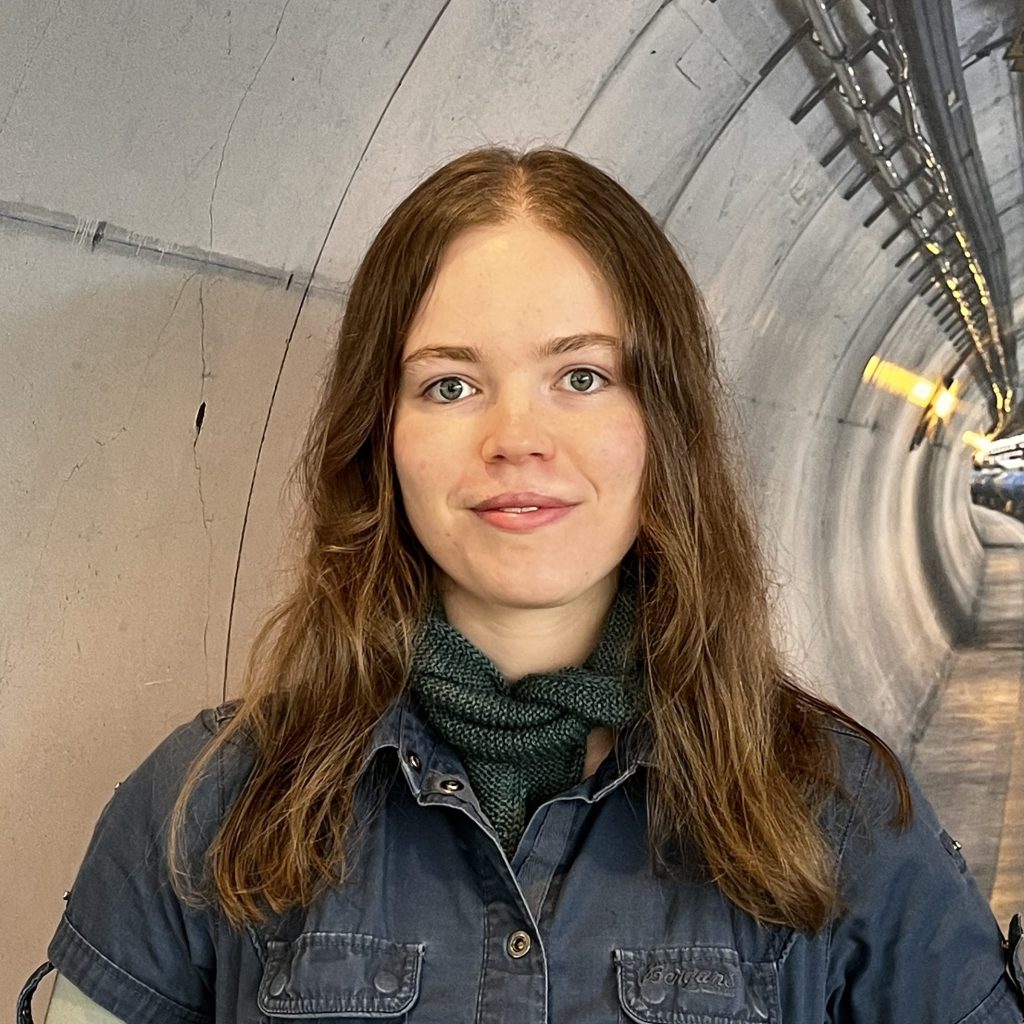
Mari Eldegard Heie
Mathematical Modeler
CAiMIRA
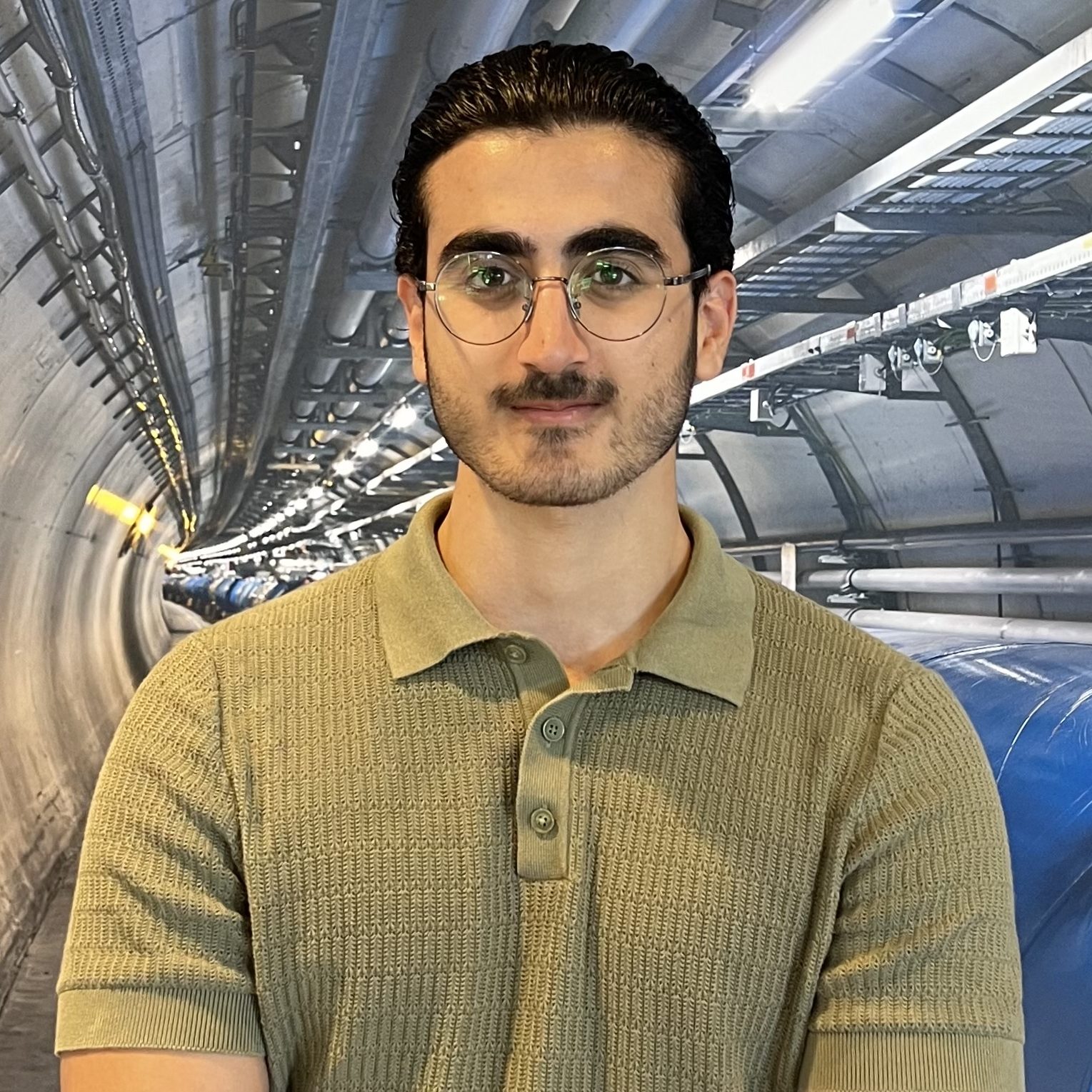
Mohamad Kalaoun
Full Stack Software & IoT Engineer
Indoor Air Quality
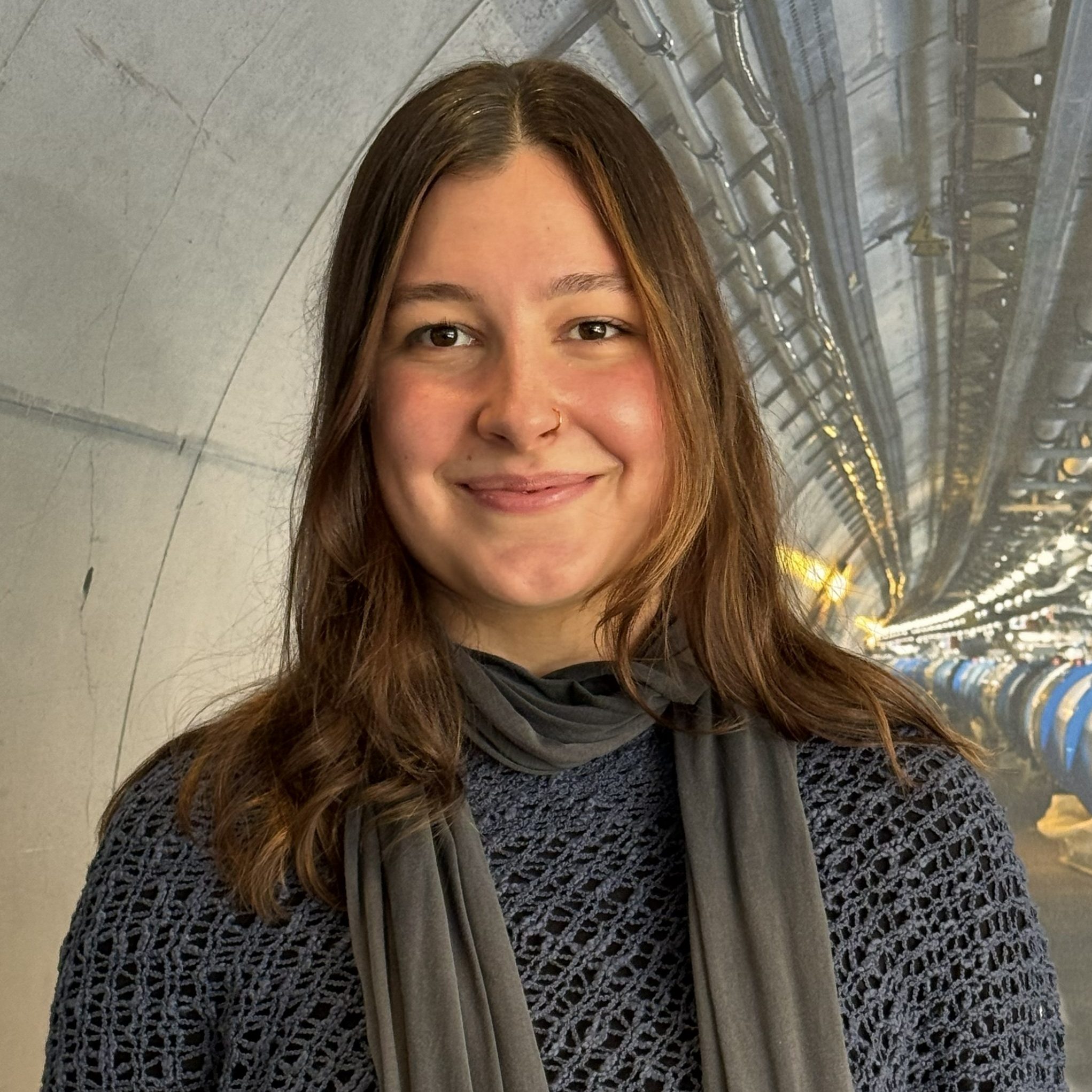
Natalija Beslic
Mechanical Engineer
Einstein Telescope Safety WP
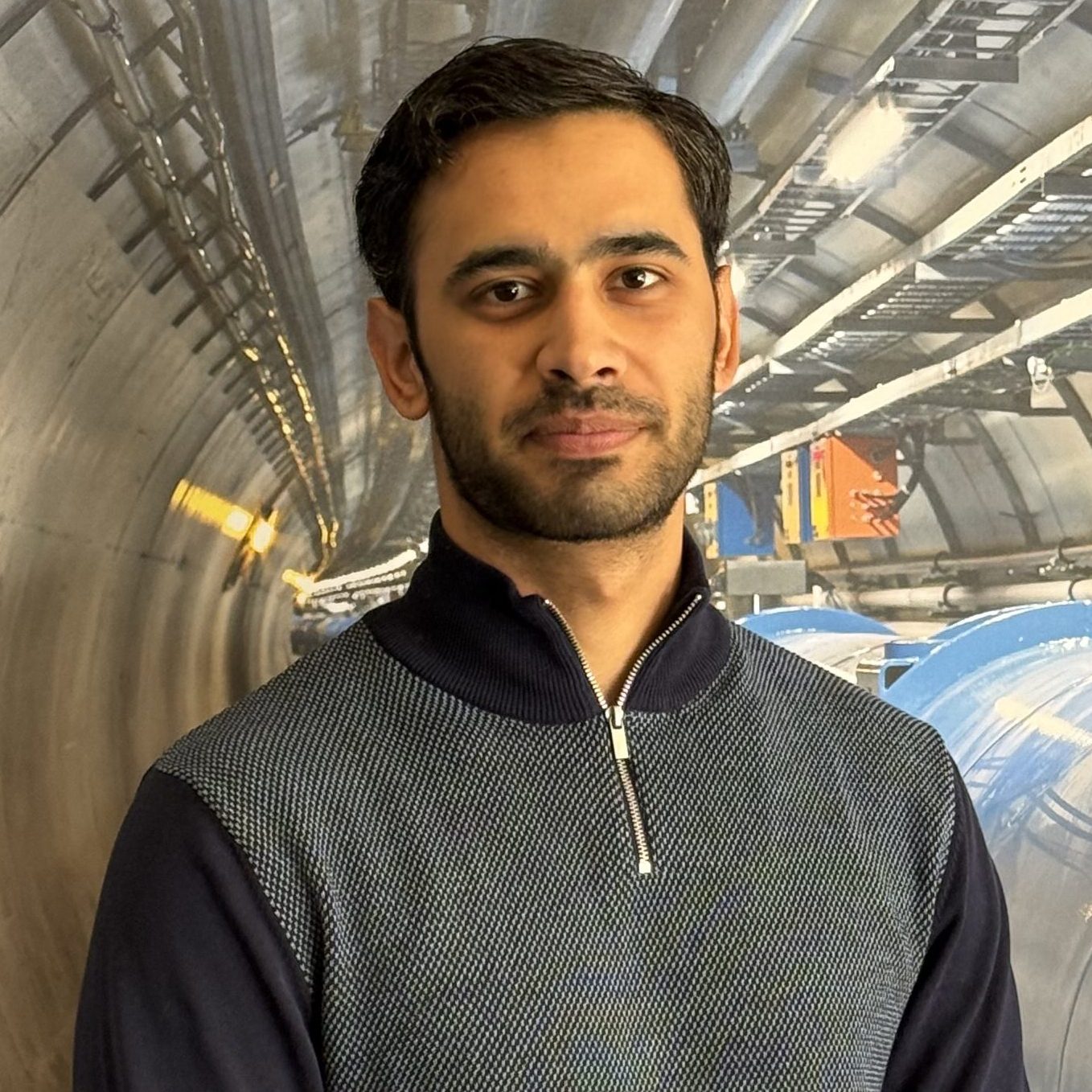
Sheikh Muhammad Ammad
Safety Engineer
Einstein Telescope Safety WP
Contact Us
Contact the team: fba-team-members@cern.ch
Team Leader: Andre Henriques
Office Location: B57, Floor 2, Meyrin Site