
F-Gases at CERN: Context
At CERN, F-Gases are used for tertiary buildings (air conditioning), industrial purposes (process cooling and electrical isolation) and R&D (particle detection and detector cooling).
Different activities and equipment use F-Gases at CERN:
| Activity/Use | Standard Equipment | Non-standard Equipment |
| Cooling |
| Detector Cooling Systems |
| Electrical Insulation |
|
|
| Particle Detection | N/A |
|
+ Click here for a photographic directory of Equipment types
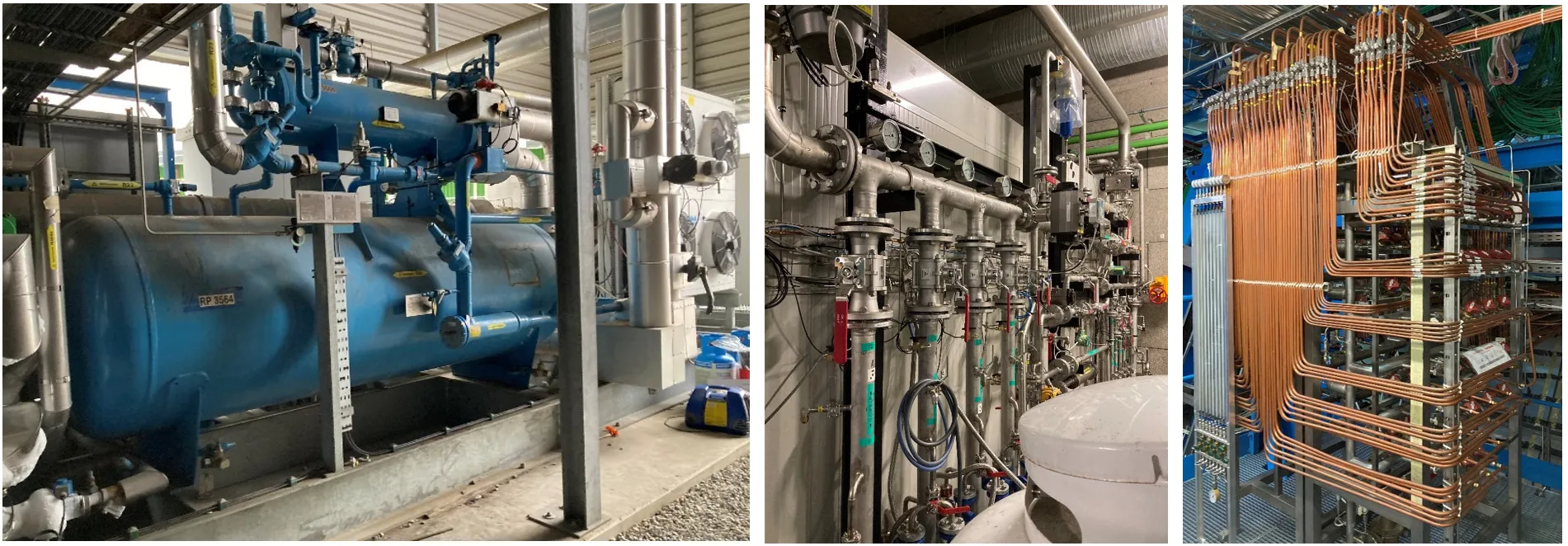
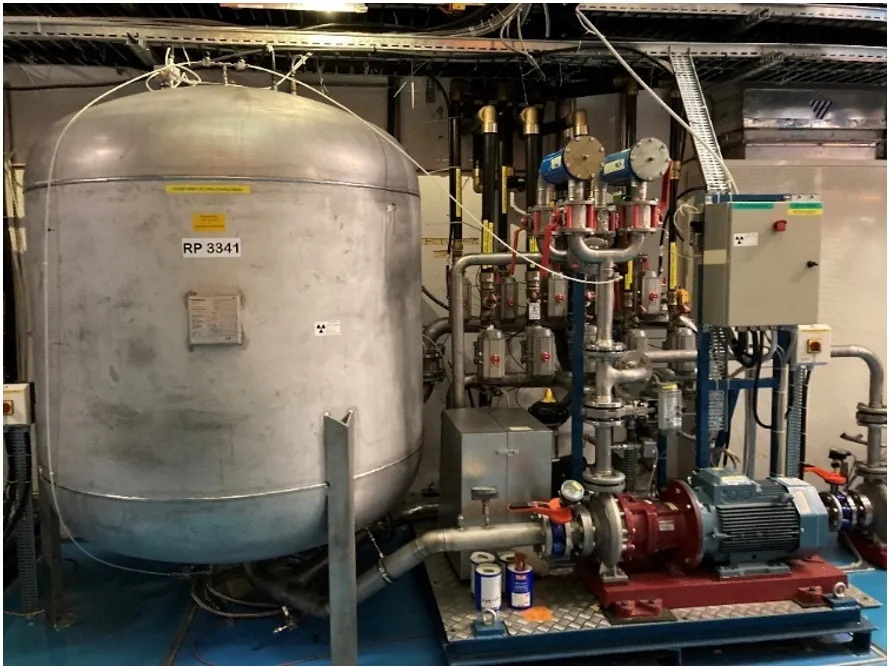
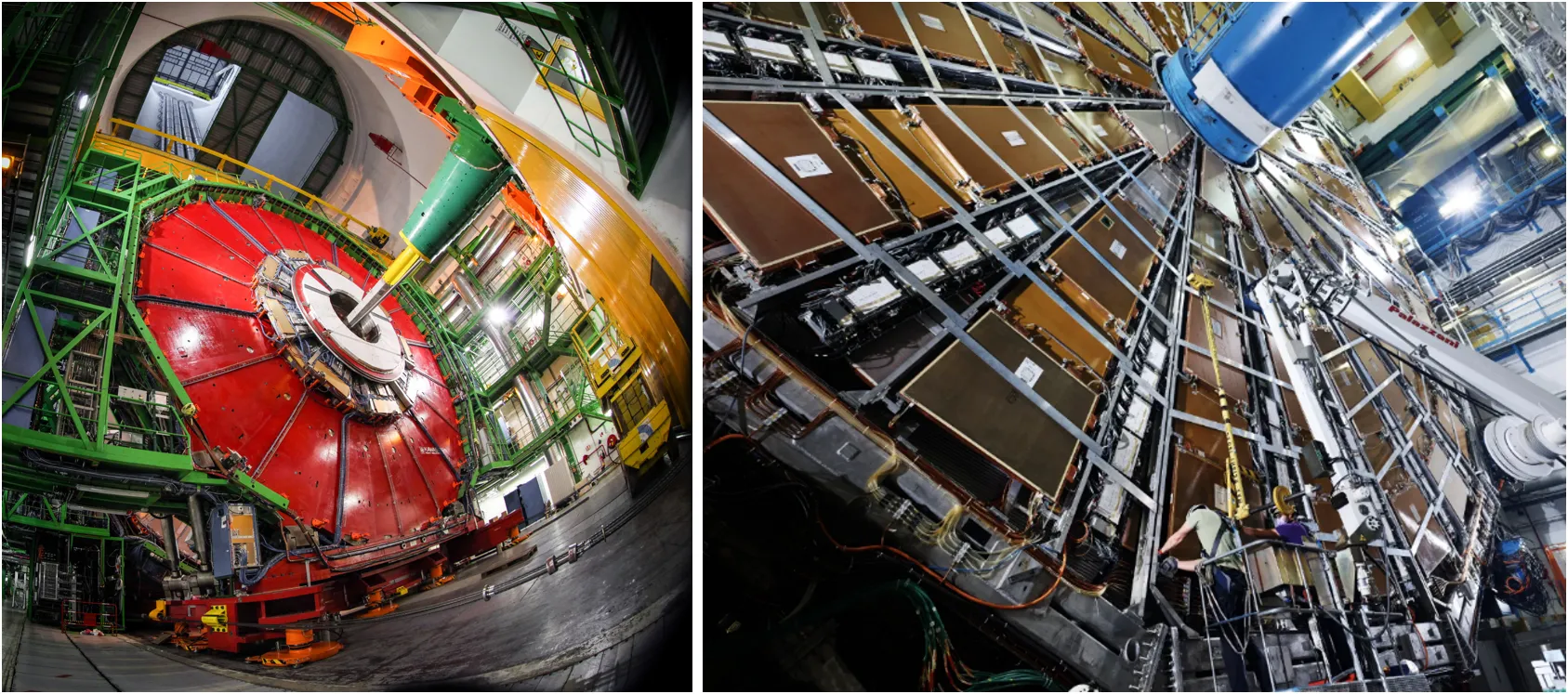
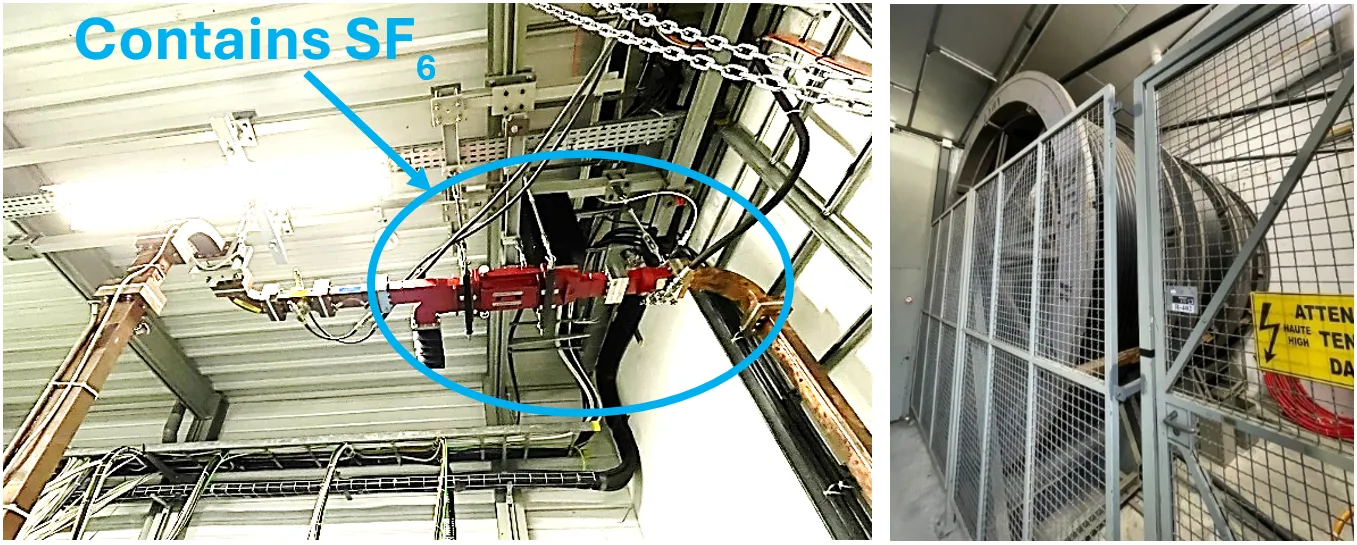
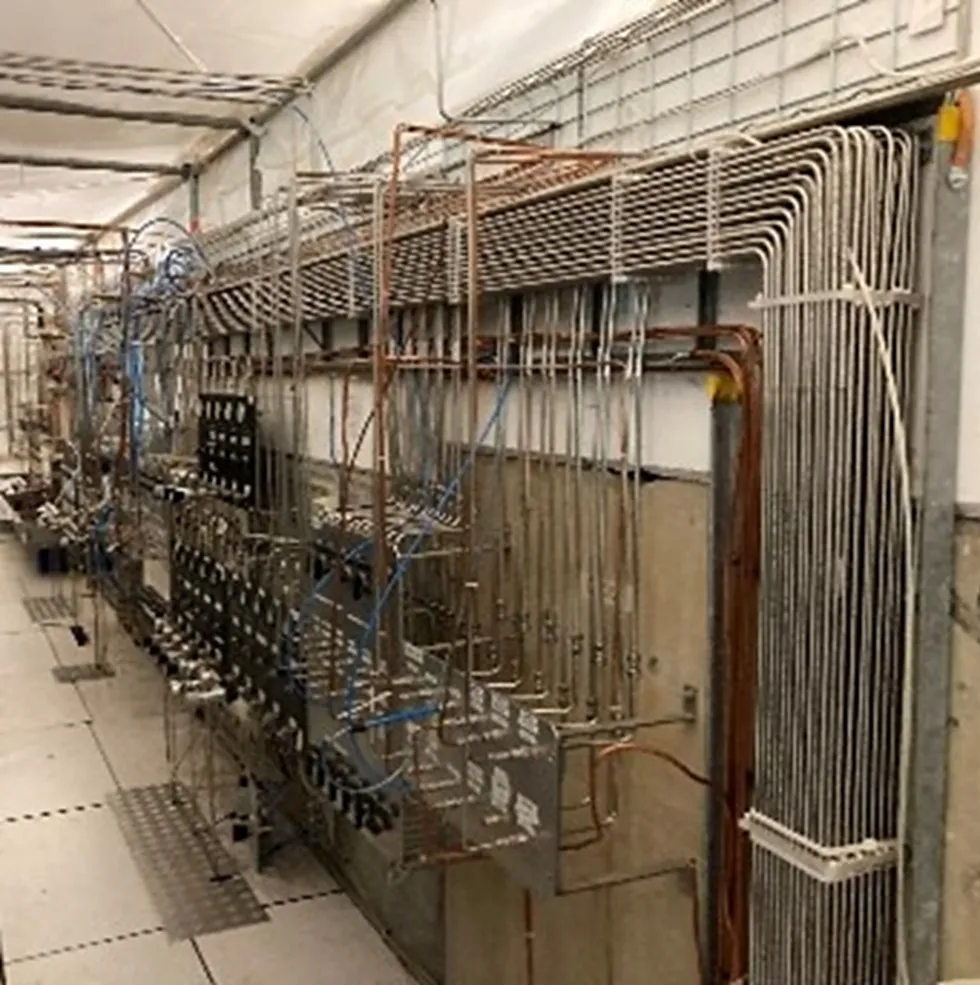
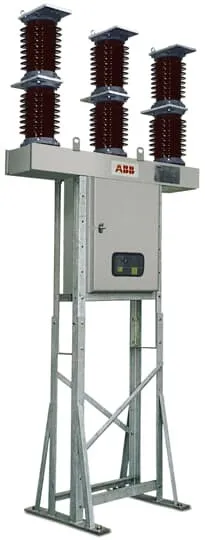
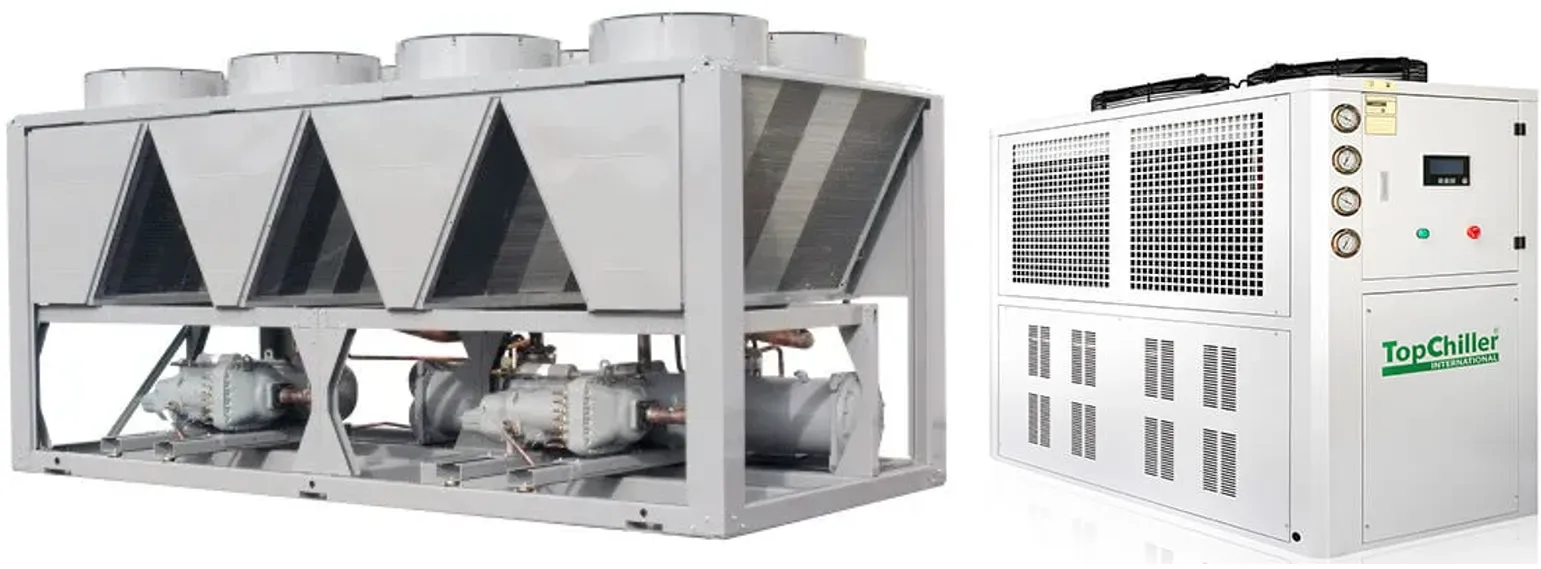
If you are aware of additional equipment type or activity that are not listed in the table above, please contact f-gas-management@cern.ch.
In 1997, 37 countries and the European Union signed the Kyoto Protocol, committing to reduce emissions of seven greenhouse gases (GHGs): carbon dioxide (CO₂), methane (CH₄), nitrous oxide (N₂O), sulphur hexafluoride (SF₆) and two groups of fluorinated gases (F-gases) — hydrofluorocarbons (HFCs), perfluorocarbons (PFCs). While F-gases are emitted in smaller quantities than CO₂, they have a very high global warming potential, making their reduction a key climate objective.
For instance, within the European Union, the phase-down of HFC production, import and use began in 2015 under the EU F-Gas Regulation and has accelerated significantly since 2024. Switzerland has adopted similar measures under the Chemical Risk Reduction Ordinance (ORRChem), progressively restricting the placing on the market and use of HFC-based equipment in line with international climate commitments.
These regulatory developments create important challenges for research infrastructures and technical installations that rely on F-gases. At CERN, equipment and activities using HFCs, PFCs and SF₆ will be increasingly affected. Reduced market availability is expected to drive up costs in the short term and may create supply constraints in the medium term, requiring proactive adaptation strategies.
In response to and in line with the relevant European Union (EU) and Swiss legislation CERN has issued an F-Gas Policy and related implementation measures.
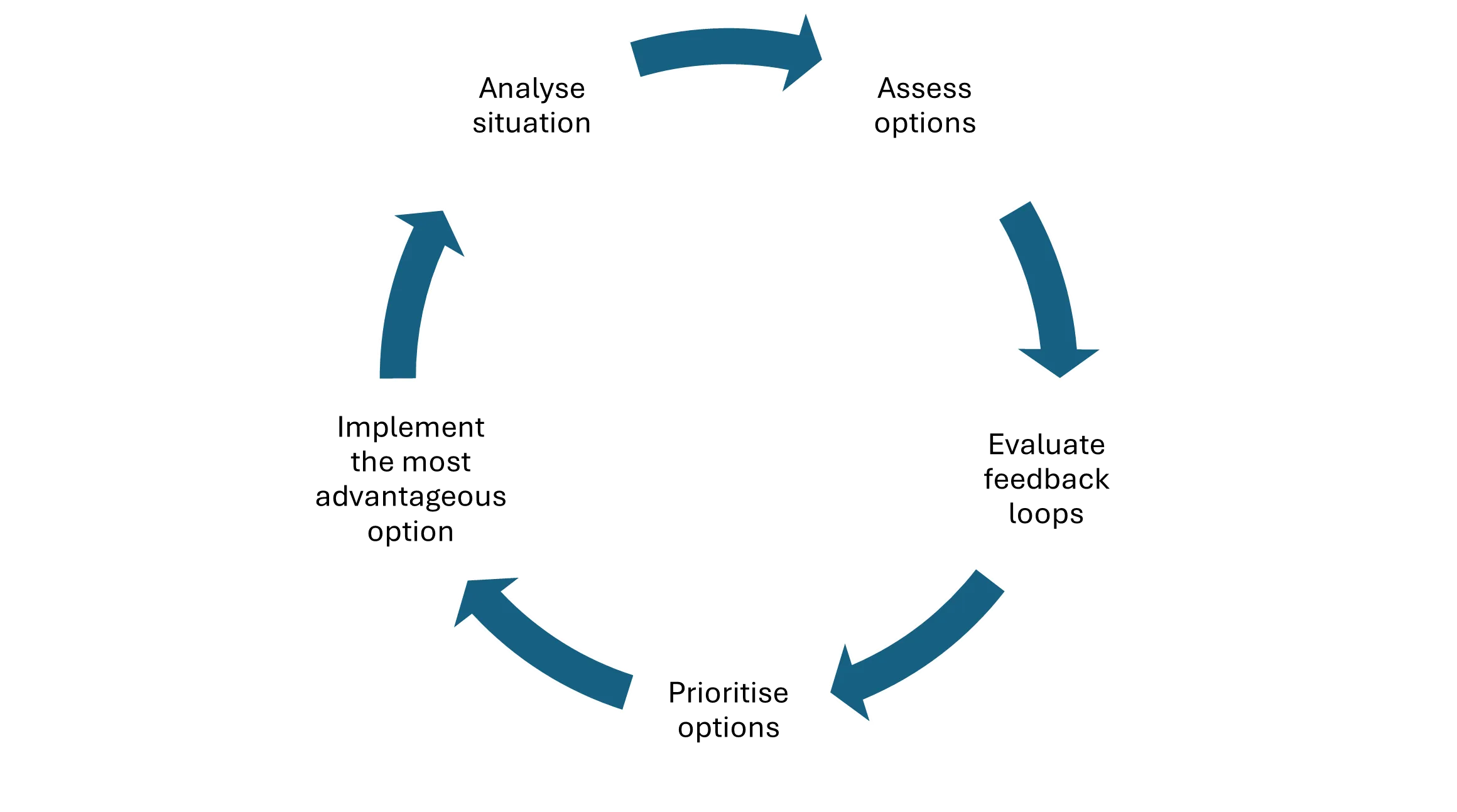
All stakeholders shall apply the systemic thinking approach to ensure resilience and continuity of CERN’s research activities.
Chapter Version 1.0 (See all previous versions on EDMS)
F-Gas Guidance Menu
CONTACT INFO
If you have any questions regarding the Policy, the Implementation measures, any feedback on this site or specific queries regarding fluorinated gases, contact the CERN F-Gas management team: F-gas-management@cern.ch